Choosing the right health monitoring devices for family use has become more confusing than ever. With dozens of options available online, families often struggle to understand which devices are accurate, reliable, and genuinely useful for everyday health tracking. A wrong choice can lead to misleading readings, unnecessary anxiety, or wasted money.
The growing need for health monitoring devices for home use makes this decision even more important. From managing chronic conditions to preventive care, families rely on home health monitoring devices to stay informed and proactive. This guide breaks down exactly how to choose the right devices, what features matter most, and how to build a reliable health monitoring setup for your family.
Why Your Family Needs Health Monitoring Devices at Home
Health monitoring at home is no longer a luxury; it is a necessity for modern families. Reliable health monitoring devices allow families to track vital signs regularly without depending solely on hospital visits.
The Rise of Home-Based Healthcare
Telemedicine and remote care have accelerated the adoption of home health monitoring devices. According to industry data, remote patient monitoring reduces hospital visits by up to 38% for chronic patients. Families save time and mony, and gain faster access to medical guidance.
Benefits of Family Health Monitoring Tools
Family health monitoring tools enable:
- Early detection of health issues: Catching potential problems early can lead to more effective treatment.
- Better disease management: Chronic conditions are easier to manage when you can track them regularly.
- Peace of mind: Caregivers can stay informed about their family members' health in real time.
Understanding Different Types of Health Monitoring Devices
Selecting appropriate health monitoring equipment for home use begins with understanding device categories and their specific applications. Each type serves distinct health monitoring needs, from basic vital signs to specialized respiratory care. The key is matching device capabilities to your family's actual health requirements rather than purchasing unnecessary equipment or overlooking critical monitoring tools.
Basic Health Monitoring Equipment for Home Use
Every household should maintain a core set of monitoring devices that cover fundamental health metrics. These essential medical monitoring devices for home provide the foundation for comprehensive family health tracking and enable quick assessment during illness or health concerns.
Blood Pressure Monitors
- Why it's essential: Hypertension affects 29% of adults in India, yet 60% remain undiagnosed. Blood pressure monitors provide accurate, consistent readings that eliminate human error.
- Key features: Automatic monitors and digital upper-arm models provide clinical-grade accuracy when the cuff is properly sized.
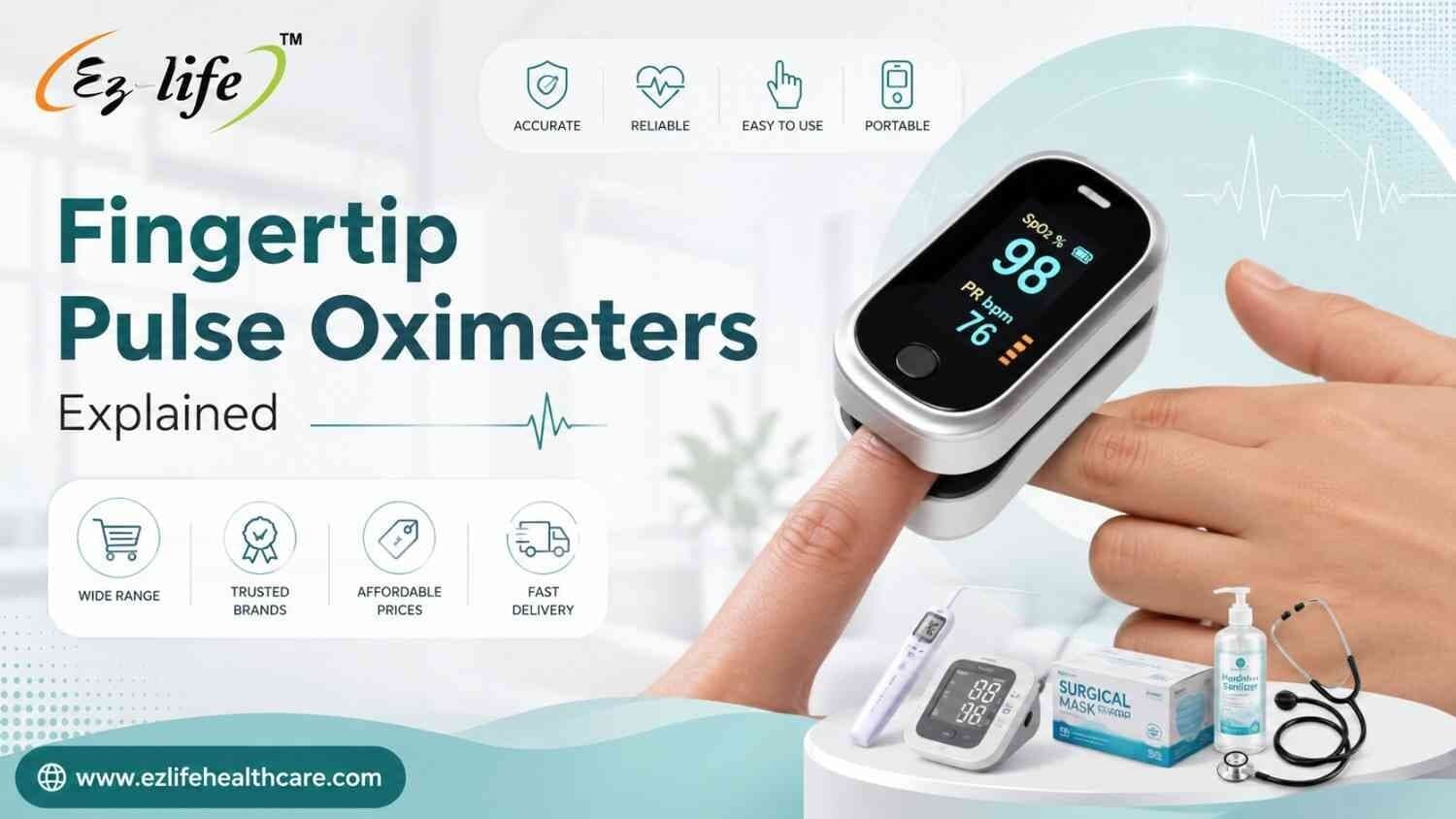
Pulse Oximeters
- Why it's essential: Oxygen saturation monitoring became crucial during the COVID-19 pandemic and continues to be important for assessing respiratory health.
- Who should use it: Families with members who have heart disease, lung conditions, or sleep apnea.
- Normal readings: 95-100%. If oxygen levels fall below 90%, immediate medical attention is required.
Digital Thermometers
- Why it's essential: Non-contact infrared thermometers offer quick readings, making them ideal for households with young children.
- Who should use it: Best for families looking for a hygienic, easy-to-use solution for fever monitoring.
Specialised Respiratory Health Monitoring
Respiratory conditions require specialized health tracking devices for family members with asthma, COPD, or other breathing disorders. These devices transition from optional to essential when respiratory health challenges exist, preventing emergency situations through proactive symptom management.
Nebulizers for Asthma and COPD
- Why it's essential: Nebulizers deliver medication directly to the airways more effectively than inhalers. Portable models are ideal for travel, while tabletop models offer faster treatment times.
- Who should use it: Families with asthmatic children or elderly members with COPD.
Body Composition and Wellness Trackers
Weight management devices serve multiple health monitoring purposes beyond simple weight tracking. Modern personal health monitoring devices in this category analyze body composition, providing insights into fat percentage, muscle mass, and metabolic health indicators essential for comprehensive wellness assessment.
Digital Weighing Scales
- Why it's essential: Regular weight tracking can help identify issues like fluid retention in heart failure patients and monitor pregnancy weight gain.
- Smart scales: Some models also measure fat percentage and muscle mass using bioelectrical impedance.
Therapeutic and Support Devices
Beyond diagnostic monitoring, therapeutic devices support pain management and recovery at home. These tools complement monitoring equipment by addressing comfort and mobility needs that impact overall health and quality of life.
Massage Devices for Pain Management
- Why it's essential: Electric massagers reduce muscle tension, improve circulation, and provide drug-free pain relief. Regular use also supports stress management, benefiting cardiovascular health.
- Who should use it: Ideal for families looking to manage muscle pain or stress without resorting to medications.
Orthopaedic Support Equipment
- Why it's essential: Items like lumbar supports, knee braces, and posture correctors are essential for managing musculoskeletal issues, providing pain relief and preventing injury.
- Who should use it: Families with members who experience musculoskeletal issues that affect daily functioning.
Personal Health Monitoring Devices vs Medical-Grade Devices
Understanding the difference between personal and medical-grade devices is crucial when selecting equipment for home use.
- Medical-grade devices: These undergo clinical validation and meet strict accuracy standards.
- Personal devices: Typically designed for convenience and affordability, they may not be as precise but still provide reliable results for everyday use.
Smart and Digital Health Monitoring Devices for Home Use
Connected health devices offer automated data logging and smartphone integration for trend analysis. While smart features provide convenience, traditional digital devices without connectivity often deliver equal accuracy at lower prices for families uncomfortable with technology.
What to Look for When Buying Health Monitors
Purchasing decisions for health monitoring devices for home require evaluating multiple factors beyond basic functionality. Quality markers, certification standards, and user-appropriate features separate professional-grade equipment from unreliable alternatives. Understanding these criteria ensures investments deliver accurate results and lasting value.
Accuracy and Medical Certification
Look for certification marks like CDSCO (India), FDA (international), or CE (Europe) that indicate medical devices have met rigorous accuracy standards. For instance, blood pressure monitors should have an accuracy of ±3 mmHg.
Ease of Use for All Family Members
Devices should be user-friendly for all family members, including children and elderly users. Look for devices with large, backlit displays, one-button operation, and simple interfaces.
Compatibility and Connectivity Features
Some devices come with Bluetooth and smartphone apps for automatic data logging. If your family is comfortable with technology, these features can help visualize trends and share data with healthcare providers. However, consider whether less tech-savvy family members will use these features regularly.
Durability and Warranty Coverage
Long-term reliability defines true cost-effectiveness: devices replaced within a year cost more than quality equipment lasting 5–7 years. Check warranties, usually 1–3 years. Ensure replacement parts availability, especially consumables like blood pressure cuffs, before purchasing uncommon models from manufacturers carefully.
Top Features to Consider in Health Monitoring Devices
Beyond basic functionality, specific features enhance usability and ensure personal health monitoring devices integrate seamlessly into daily routines. Prioritising the right features prevents buyer's remorse and ensures investments deliver maximum utility across diverse family needs and health monitoring scenarios.
Display Quality and Readability
Large, clear displays with colour-coded indicators (e.g., green for normal, yellow for caution) are vital, especially for elderly users or those with vision problems.
Battery Life and Power Options
Devices with rechargeable batteries can save money over time, but be sure to check how often they need recharging. Some devices also offer AC adapters for continuous power.
Memory and Data Storage Capabilities
Devices with memory storage for 60-90 readings allow for trend analysis, helping you spot health issues over time. Devices with data export options make it easier to share information with doctors.
Portability and Storage
Travel-friendly designs with included carrying cases enable health monitoring during vacations and business trips. Compact size facilitates convenient home storage devices that don't fit in designated spaces end up in closets, reducing usage consistency and defeating the purpose of home monitoring investments.
Health Device Buying Tips for Home Use
Strategic purchasing of health monitoring equipment for home use requires balancing quality, features, and cost while avoiding common pitfalls that lead to wasted money and compromised health monitoring. Smart buying decisions consider both immediate needs and long-term value.
Setting Your Budget Wisely
Quality personal health monitoring devices range from ₹1,500-₹8,000, depending on features and accuracy specifications. Basic blood pressure monitors cost ₹2,000-₹3,500 while clinical-grade models command ₹5,000-₹8,000.Invest in premium features when devices serve critical health monitoring needs. Calculate cost per use over expected device lifespan to evaluate true value.
Reading and Understanding Product Reviews
Verified purchase badges confirm real ownership, while identical wording or perfect scores raise suspicion. Professional medical reviews offer stronger, more accurate insights. Weigh both positive and negative feedback, repeated accuracy complaints often reveal genuine device limitations rather than isolated issues.
Comparing Brands and Models
Create feature comparison matrices to evaluate key specifications across health monitoring devices. Brand reputation matters, as established manufacturers ensure quality and support. Assess customer service by reviewing availability, contact options, and response times to ensure satisfaction after purchase.
How to Match Devices to Specific Health Conditions
Effective health monitoring requires matching medical monitoring devices for home to specific health conditions affecting family members. Generic monitoring proves less effective than targeted approaches addressing actual medical needs with appropriate equipment.
Cardiovascular Health Monitoring
Hypertension management requires validated blood pressure monitors with irregular heartbeat detection. Heart rate variability tracking provides early warning of cardiac stress.
EZ Life Healthcare's blood pressure monitor collection includes models specifically designed for cardiovascular monitoring. Daily readings establish baseline patterns making abnormal changes immediately recognizable.
Respiratory Condition Management
Asthma and COPD patients require both pulse oximeters for oxygen monitoring and nebulisers for medication delivery. Peak flow meters measure lung function decline before breathing difficulty becomes noticeable. EZ Life Healthcare offers complete respiratory care solutions including nebulisers and pulse oximeters. Families access all necessary equipment from a single trusted source.
Diabetes and Metabolic Health
Glucose monitoring integration with weight tracking provides comprehensive metabolic health assessment. Regular weight measurements identify patterns indicating poor glucose control.
Digital scales with body composition analysis help diabetic patients monitor fat distribution affecting insulin sensitivity. Combining glucose meters with weight management creates synergistic monitoring.
Maternal and Infant Health
Pregnancy monitoring needs include blood pressure tracking for preeclampsia detection. Postpartum health tracking continues importance blood pressure monitoring identifies pregnancy-related hypertension persisting after delivery. Nursing support equipment like manual breast pumps from EZ Life Healthcare complements health monitoring devices. Comprehensive maternal health kits combine monitoring and support equipment.
Setting Up Your Home Health Monitoring Station
Creating an organized health monitoring space at home maximizes device usage and ensures consistent health tracking. Proper setup of home health monitoring devices involves strategic location selection, systematic organization, and establishing sustainable routines. A dedicated health space encourages family members to prioritize regular monitoring.
Creating a Dedicated Health Space
Create a dedicated home health space by storing devices in a quiet, well-lit area away from extreme temperatures. Organize equipment together using shelves or drawers. Maintain hygiene with regular sanitization, nearby cleaning supplies, and a consistent weekly cleaning routine.
Establishing Monitoring Routines
Measure blood pressure in the morning and evening for accuracy. Use family health tools consistently, track results in journals or apps, and follow frequency guidelines twice daily for hypertension, weekly for healthy adults.
Training Family Members to Use Devices
Give age-appropriate guidance: supervise children and provide large-print instructions for older adults. Teach device-specific safety, keep troubleshooting guides nearby, and address common issues like battery replacement or correct positioning for smooth operation.
Maintaining and Calibrating Your Health Monitoring Devices
Regular maintenance ensures health monitoring equipment for home use continues delivering accurate results over years of service. Proper care extends device lifespan while preventing measurement errors that could lead to incorrect health decisions. Maintenance schedules should be established immediately after purchase.
- Regular Cleaning and Sanitization: Follow device-specific cleaning schedules, use manufacturer-approved products, and sanitize after each use to prevent cross-contamination.
- Calibration and Accuracy Checks: Recalibrate devices annually or when readings differ significantly, comparing results with medical office measurements for accuracy.
- When to Replace or Upgrade Devices: Replace devices after lifespan limits or inaccuracies, upgrading when newer technology improves accuracy, reliability, and connectivity.
Common Mistakes When Choosing Health Monitoring Devices
Understanding common purchasing pitfalls helps families avoid expensive mistakes when selecting health monitoring devices for family use. Many buyers focus on the wrong criteria, leading to dissatisfaction and wasted money. Learning from others' mistakes saves time, money, and potential health risks.
- Don’t Buy Based on Price Alone.: Cheap devices cause inaccurate readings, leading to wrong health decisions and higher long-term replacement costs.
- Ignoring Certification and Standards: Uncertified devices risk dangerous inaccuracies; always verify CDSCO, FDA, or CE approvals before purchase.
- Overlooking User-Friendliness: Complex devices discourage regular use, especially when elderly or children struggle navigating confusing interfaces.
- Not Considering Long-Term Needs: Failing to plan for ageing or family growth leads to devices becoming outdated too quickly.
Integrating Health Monitoring Data with Healthcare Providers
Maximizing value from personal health monitoring devices requires effective communication with healthcare providers. Home monitoring data becomes most valuable when shared systematically with doctors. Integration strategies ensure medical professionals can utilize home measurements for better treatment decisions.
Preparing Data for Medical Appointments
Create organized health reports highlighting trends, export digital summaries, and discuss concerning patterns with doctors using device logs or apps.
Telemedicine and Remote Patient Monitoring
Connected home monitoring devices enable secure real-time sharing, support telemedicine decisions, require HIPAA compliance, and may qualify for insurer reimbursement.
Expert Recommendations for Family Health Monitoring
Healthcare professionals increasingly recommend home monitoring as standard practice for chronic disease management. Family health monitoring tools have evolved from optional convenience to essential healthcare components. Expert guidance helps families navigate device selection with medical insight.
What Healthcare Professionals Recommend
According to the American Heart Association, "Home blood pressure monitoring can help you keep closer tabs on your blood pressure, show if medication is working, and even alert you and your doctor to potential health complications." Doctor-endorsed device features include automatic data logging, irregular rhythm detection, and measurement averaging. Clinical studies demonstrate that patients using validated home monitoring devices achieve better health outcomes than those relying solely on periodic clinical measurements.
Your Complete Health Monitoring Device Checklist
Comprehensive health monitoring devices for home selection requires systematic evaluation across multiple factors. This downloadable checklist ensures no critical consideration gets overlooked. Use this reference when shopping to make informed purchasing decisions.
1. Essential devices for every home: Blood pressure monitor, thermometer, pulse oximeter, digital scale
2. Age-specific device considerations: Infant thermometers, elderly-friendly displays, child-safe designs
3. Condition-specific monitoring needs: Nebulisers for asthma, cardiac monitors for heart disease
4. Key features to verify before purchase: CDSCO/FDA certification, warranty coverage, accuracy specifications
5. Budget allocation by priority: Invest more in frequently-used, health-critical devices
6. Maintenance and calibration schedule: Regular cleaning, annual accuracy verification
7. Where to buy authentic devices: Authorised retailers like EZ Life Healthcare
Following this systematic checklist prevents costly mistakes and ensures comprehensive health monitoring capability.
Where to Buy Quality Health Monitoring Devices
Selecting the right retailer proves as important as choosing appropriate health monitoring devices. Authentic products require trusted sources that guarantee quality, valid certifications, and reliable customer support. Retailer choice directly impacts product authenticity and post-purchase experience.
Why Choose EZ Life Healthcare for Your Family's Health Needs
EZ Life Healthcare offers certified, authentic family health monitoring tools with strict quality checks. Its wide product range, expert guidance, and competitive pricing ensure reliable home monitoring solutions tailored to diverse family health needs.
Convenient Multi-Platform Shopping
Shopping convenience spans multiple platforms, including ezlifehealthcare.com, Blinkit, Amazon, Flipkart, and Meesho. Easy returns, prepaid discounts, and trusted marketplaces ensure families have access authentic health monitoring devices through their preferred shopping channels.
Conclusion
Choosing the right health monitoring devices for family use involves balancing accuracy, usability, and cost while aligning equipment with specific health needs. Certified, high-quality devices provide reliable data that supports proactive health management, early issue detection, and confident medical decision-making. Prioritising accuracy over unnecessary features and ease of use over complexity ensures long-term value.
This guide offers a clear framework to simplify device selection and avoid common purchasing mistakes. Whether managing chronic conditions, tracking everyday health, or preparing for emergencies, reliable home health monitoring devices empower families. Explore EZ Life Healthcare’s complete range of certified equipment to build a dependable home health system.
FAQs
- Which health monitoring devices are essential for families?
- Are home health monitoring devices accurate?
- How often should family health monitoring devices be used?
- What features matter most in health monitoring devices for home use?
- How often should health monitoring devices be replaced?
- What certifications should I look for in health monitoring devices?
- Can multiple family members use the same health monitoring device?